
Hairdresser Rent-A-Chair Agreement
A Rent-A-Chair Agreement is an arrangement between a salon and a self-employed hairdresser, whereby the salon allows for the hairdresser to use the salon’s equipment and to operate within the salon’s premises.
Last updated October 24, 2025
Suitable for Australia
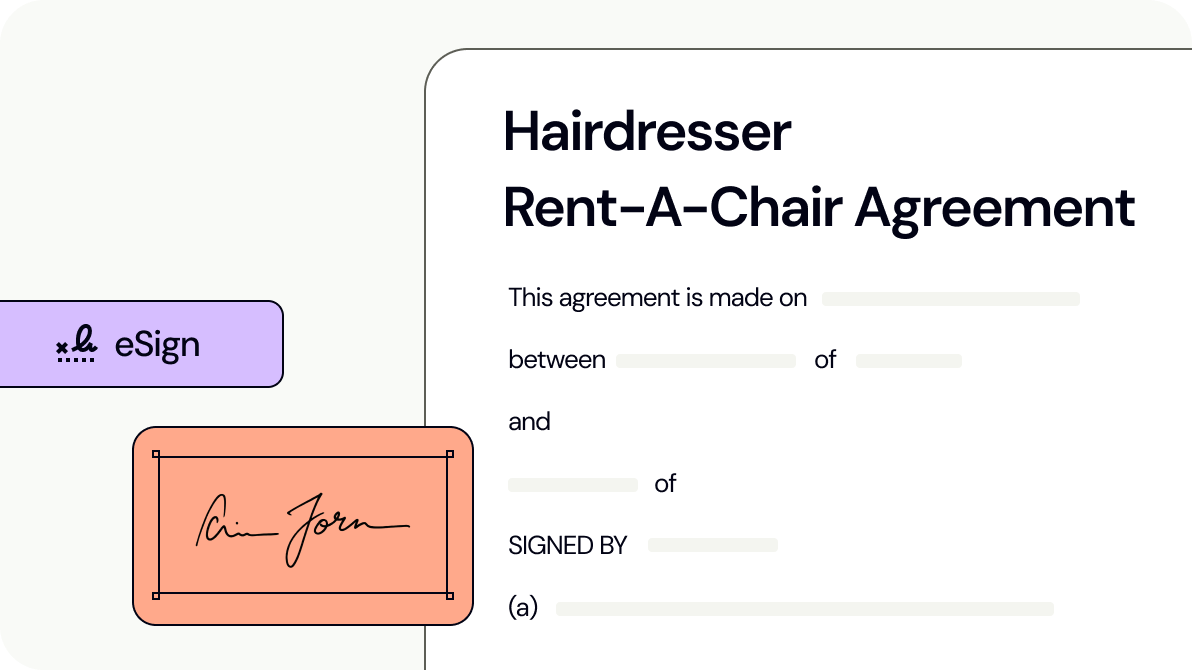
Create & Customise Legal Templates Online
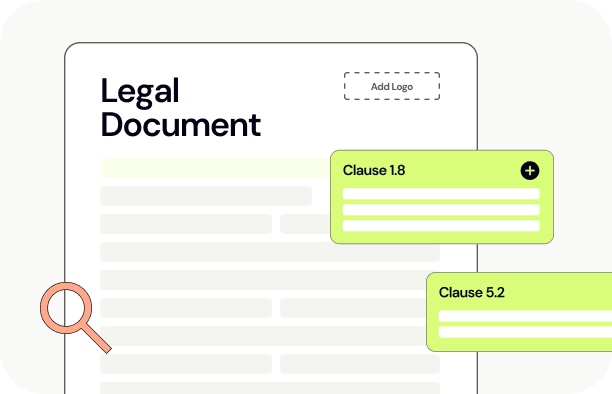
What is a hairdresser rent-a-chair agreement?
What is a hairdresser rent-a-chair agreement?
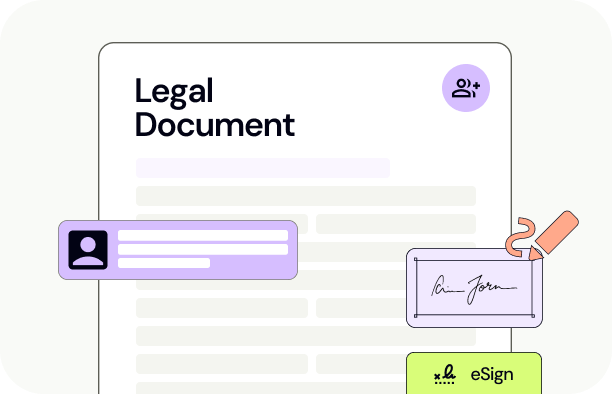
When should you use a hairdresser rent-a-chair agreement?
When should you use a hairdresser rent-a-chair agreement?
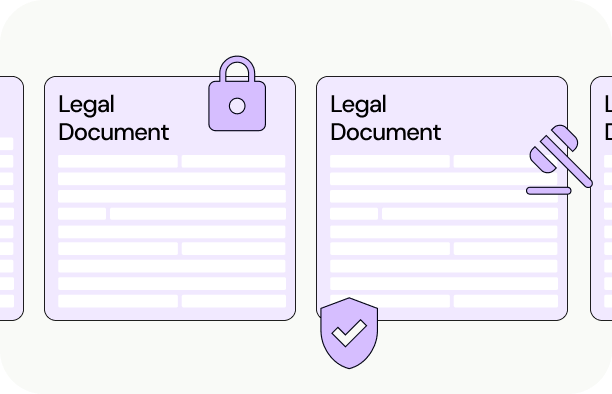
What should be in a hairdresser rent-a-chair agreement?
What should be in a hairdresser rent-a-chair agreement?
How to create a legal document
- check_circle
Access the Document Library
- check_circle
Select the template that matches your needs
- check_circle
Customise by adding or removing clauses with assistance from Lawpath AI
- check_circle
Personalise with your headers, footers, logos, or additional text
- check_circle
Store all documents securely in your account for easy access
Frequently asked questions
Does this agreement make the hairdresser an employee or a contractor?
keyboard_arrow_upWhat protections does the agreement provide for both parties?
keyboard_arrow_upAre there any financial risks for the independent contractor?
keyboard_arrow_upCan the salon change the days or hours the chair is available?
keyboard_arrow_upDoes the agreement grant exclusive use of the salon space?
keyboard_arrow_upWhat happens if either party wants to end the agreement?
keyboard_arrow_upWhat are the next steps after completing the agreement?
keyboard_arrow_upView Sample Hairdresser Rent-A-Chair Agreement
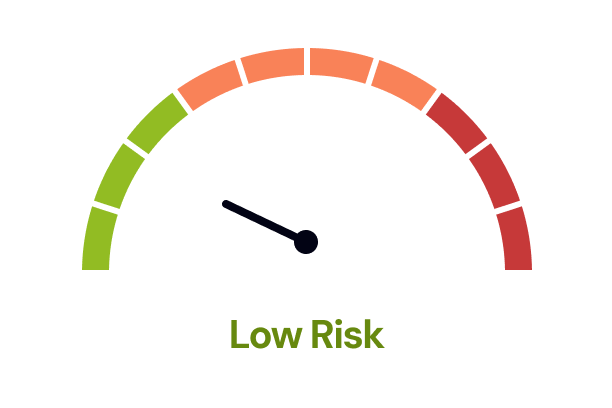
The Legal Risk Score of a Hairdresser Rent-A-Chair Agreement Template is Low
Our legal team have marked this document as low risk considering:
- The agreement does not offer exclusive possession of the premises to the licensee, which means they must share the space potentially affecting their business operations and privacy.
- The licensor retains the right to adjust the terms regarding additional days or hours of operation, which could limit the licensee's ability to expand or adjust their business hours as needed.
- The licensee is responsible for all expenses and insurances related to their business, which could lead to unforeseen financial burdens if not carefully managed.
Meet Our Users
Articles about Hairdresser Rent-A-Chair Agreement

Company Has Close Shave with Unfair Contract Terms
Does your company involve consumer or small business contracts? Read our legal guide to avoid landing in a hairy situation with unfair contract terms!

Important Clauses to Include in a Client Agreement
If you're drafting a client agreement, there are certain important clauses that are necessary to include. Our article breaks these down.

What is a Non-Solicitation Agreement?
Are you looking to protect your business interests? Read this article to learn about a non-solicitation agreement and how it could affect you.

Contract vs Agreement: Key Differences Explained
Entered an agreement but unsure if it is legally binding? Read on to discover when agreements become legally enforceable contracts.

Consumer Law & AI: Claudette Agreement Analysis
How the 'CLAUse DETecTEr' applies Machine Learning Powered Analysis to detect potentially unfair user agreements and pave the way for a new era of AI.

Guide to the Different Types of Contracts
There is a lot involved in drafting and understanding a singular contract, but did you know there are many different types of contracts? Here is your guide.

When Should I Use a License Agreement?
What are License Agreements? How do they work? Find out how a license agreement can help protect your business here.

Understanding The Key Terms In A Service agreement
Need to update your service agreement? Not sure where to begin? Read on to learn the essential terms that should be included in every service agreement!

Top 10 Documents Used in the Hospitality Industry
The hospitality industry is comprised of many different parts - find out the top 10 most used legal documents in the hospitality industry.