
Constitution (Proprietary Company)
A Constitution (Proprietary Company) is an essential and crucial document that regulates your company's activities and the relationship between your company's directors and shareholders.
Last updated October 23, 2025
Suitable for Australia
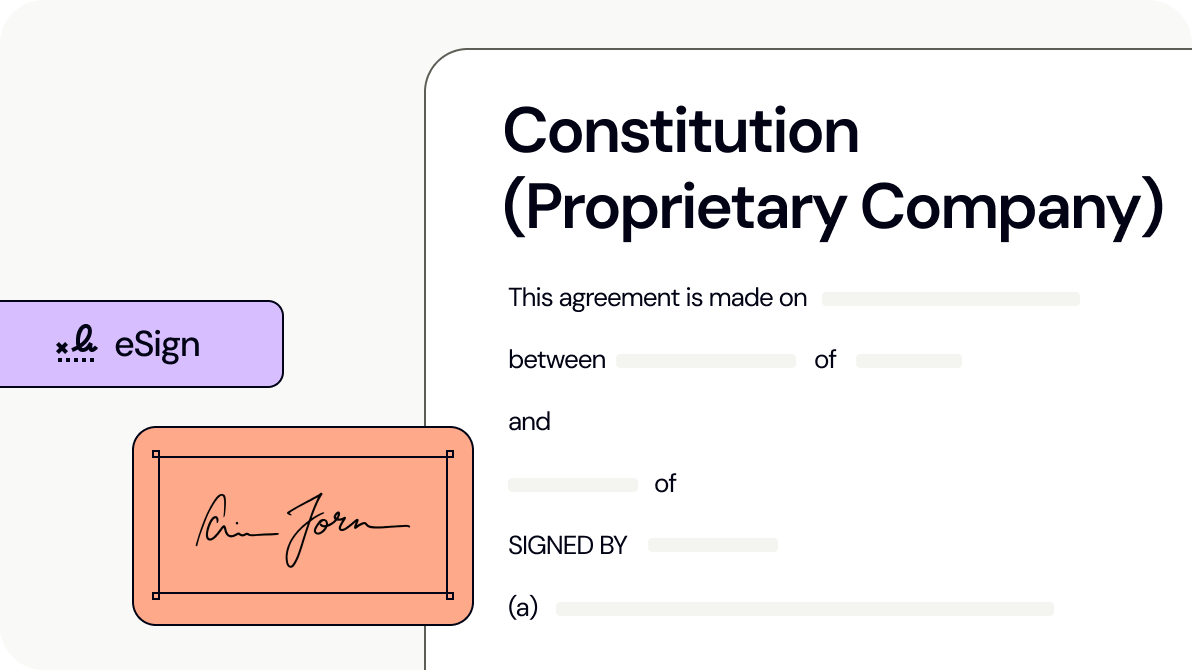
Create & Customise Legal Templates Online
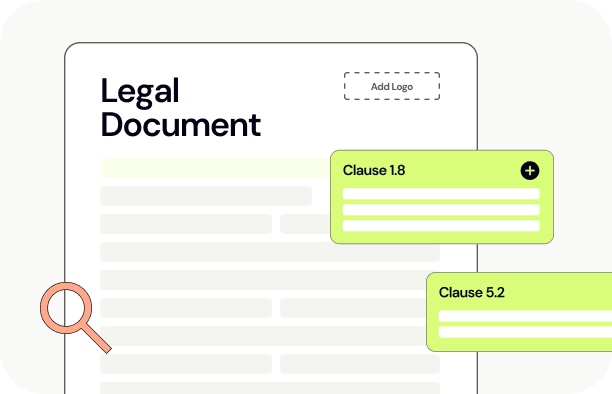
What is a company constitution?
What is a company constitution?
A company constitution is a legal document that sets out the rules for how a company is governed, including the powers of directors and shareholders, decision-making processes, and share arrangements.
It's an alternative to relying entirely on the Corporations Act's default replaceable rules, and once adopted, it operates as a binding contract between the company and its members.
How does a company constitution differ from replaceable rules?
How does a company constitution differ from replaceable rules?
A company constitution lets you customise governance arrangements beyond the standard replaceable rules in the Corporations Act, while replaceable rules are a fixed, one-size-fits-all default that applies automatically if you don't have one.
You can tailor a constitution's provisions to your business and amend them later, whereas replaceable rules can only be changed by adopting a constitution in the first place.
Does a company need a constitution?
Does a company need a constitution?
No, a company isn't legally required to have a constitution, and can operate entirely under the Corporations Act's replaceable rules instead.
Most straightforward companies with a small number of directors and shareholders manage fine without one, but a constitution becomes valuable once you want customised rules the replaceable rules don't cover, or you're bringing in outside investors.
How to create a legal document
- check_circle
Access the Document Library
- check_circle
Select the template that matches your needs
- check_circle
Customise by adding or removing clauses with assistance from Lawpath AI
- check_circle
Personalise with your headers, footers, logos, or additional text
- check_circle
Store all documents securely in your account for easy access
Frequently asked questions
Do replaceable rules still apply if I'm the sole director and shareholder of my company?
keyboard_arrow_upIs this company constitution suitable for all company types?
keyboard_arrow_upIs a company constitution the same as articles of association?
keyboard_arrow_upWhat's the difference between a company constitution and a shareholders agreement?
keyboard_arrow_upWhat are the key protections for shareholders and directors in a company constitution?
keyboard_arrow_upWhat are the main risks or limitations of a company constitution?
keyboard_arrow_upIs a company constitution publicly available?
keyboard_arrow_upWhat's the most common mistake companies make with their constitution?
keyboard_arrow_upCan a company constitution be changed after adoption?
keyboard_arrow_upWhat steps are required to adopt or amend a company constitution?
keyboard_arrow_upHow quickly can a company constitution be completed and implemented?
keyboard_arrow_upHow much does it cost to get a company constitution, template versus a lawyer?
keyboard_arrow_upView Sample Constitution (Proprietary Company)

The Legal Risk Score of a Constitution (Proprietary Company) Template is Medium
Our legal team have marked this document as medium risk considering:
- The document allows the Board considerable discretion in managing the company's affairs, including determining remuneration and issuing shares, which could lead to decisions that may not align with all shareholders' interests.
- The document does not specify procedures for conflict resolution among directors or between shareholders and directors, which might lead to unresolved disputes impacting the company's operations.
- The powers given to the Board to refuse registration of share transfers can potentially be used to block changes in the control or influence of the company, which might discourage new investors or affect the liquidity of shares.
Meet Our Users
Articles about Constitution (Proprietary Company)

5 Key Things to Include in Your Company Constitution
A company constitution governs how a company is managed. Read this article to learn what things you should consider when writing your company's constitution

How to Modify a Company's Constitution
Learn how to modify a company's constitution and save your company from unwanted legal headaches.

Company Constitution vs Shareholders Agreement
A company constitution and shareholders agreement are both crucial documents when starting your company. Find out how they're different in this article.

Company Constitution or Replaceable Rules: The Differences
A company's internal affairs can be managed under both a company constitution and replaceable rules. Learn which is better here.

Replaceable Rules in the Corporations Act Explained
There are certain rules in the Corporations Act you can replace through a constitution. Here is an explanation of what these replaceable rules are.

Memorandum and Articles of Association: an Explainer
Find out everything you need to know about memorandum and articles of association and whether or not your business needs it.

What is a Private Company?
Find out what is a private company and whether it is right for your business.

What's The Difference Between Pty And Pty Ltd? (2025 Update)
Is there any difference between pty and pty ltd? Check out this article to learn about the differences between them.

How Do I Start Up A Company?
Your step by step guide to starting your very own company.
Looking for more documents?
Privacy Policy
A Privacy Policy outlines how your business will use, store and collect your customers' information. A Privacy Policy is required by law in certain circumstances.
Loan Agreement
This Loan Agreement can be used by lender when offering a loan to a Borrower.
Non-Disclosure Agreement (Mutual)
A Non-Disclosure Agreement (Mutual) allows you and another party to share confidential information while legally forbidding either party from disclosing that information to any other person or entity.
Will
A Will is an essential document as part of your estate plan. This Will cannot be e-signed.
Non-Disclosure Agreement (One Way)
A Non-Disclosure Agreement (One Way) allows you and another party to share confidential information while legally forbidding the other party from disclosing that information to any other person or entity.
Website Terms and Conditions of Use (Services)
This Website Terms and Conditions of Use (Services) document is specifically tailored for websites selling services.
Business Sale Agreement
A Business Sale Agreement is used to clearly set out all relevant terms of the sale when selling or buying a business.
Contractor Agreement (Individual)
The Contractor Agreement (Individual) allows you to hire a contractor that is an individual (ie. not a company).