
Letter of Demand (1st attempt)
A Letter of Demand (1st attempt) can be used to formally request payment of an outstanding debt.
Last updated October 24, 2025
Suitable for Australia
Create & Customise Legal Templates Online
What is a letter of demand (1st attempt)?
What is a letter of demand (1st attempt)?
When should you use a letter of demand (1st attempt)?
When should you use a letter of demand (1st attempt)?
What should be in a letter of demand (1st attempt)?
What should be in a letter of demand (1st attempt)?
How to create a legal document
- check_circle
Access the Document Library
- check_circle
Select the template that matches your needs
- check_circle
Customise by adding or removing clauses with assistance from Lawpath AI
- check_circle
Personalise with your headers, footers, logos, or additional text
- check_circle
Store all documents securely in your account for easy access
Frequently asked questions
Who can use this document?
keyboard_arrow_upWhat protections does this letter provide?
keyboard_arrow_upWhat are the limitations of this document?
keyboard_arrow_upIs this letter suitable for all types of debts?
keyboard_arrow_upWhat should I do if the debtor does not respond?
keyboard_arrow_upCan I customise the letter for my situation?
keyboard_arrow_upWhat is the difference between this letter and a statutory demand?
keyboard_arrow_upView Sample Letter of Demand (1st attempt)
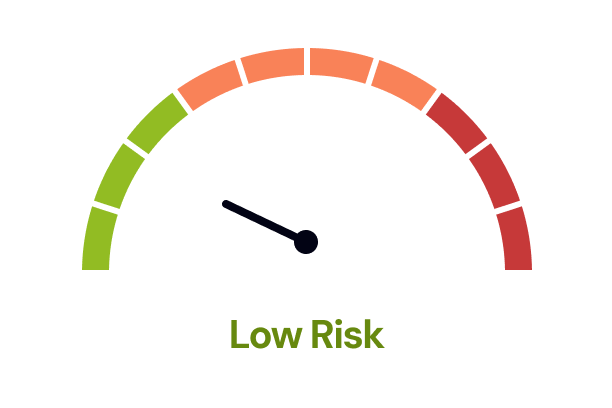
The Legal Risk Score of a Letter of Demand (1st attempt) Template is Low
Our legal team have marked this document as low risk considering:
- The document does not specify the nature of the debt or provide detailed context for the outstanding amount, which could lead to misunderstandings or disputes regarding what is being requested for payment.
- The document does not clearly identify the recipient, which might cause confusion about who is obligated to make the payment and to whom the payment should be directed.
- The document does not outline any potential consequences or actions that will be taken if the payment is not made by the specified deadline, potentially weakening the enforcing power of the letter.
Meet Our Users
Articles about Letter of Demand (1st attempt)

How to Write a Letter of Demand in Australia (+Template)
The thought of legal action due to debt can be daunting. Start with a letter of demand to recuperate unpaid debt — template inside!

What is a Letter of Demand?
Learn how to recover outstanding payments via a letter of demand and how to go about doing it.
How to Enforce a Payment in WA
In this series of posts we look at the concept of ‘enforcing a payment’ within each respective State and Territory. Read now.
How to Enforce a Payment in ACT
In this series of posts we look at the concept of ‘enforcing a payment’ within each respective State and Territory. Read here to find out about the ACT.

How to Enforce a Payment in QLD
In this series of posts we look at the concept of ‘enforcing a payment’ within each respective State and Territory. Read here to find out about Queensland.

How to Enforce a Payment in TAS
In this series of posts we look at the concept of ‘enforcing a payment’ within each respective State and Territory. Read here to find out about Tasmania.

How to enforce a payment in VIC
In this series of posts we look at the concept of ‘enforcing a payment’ within each respective State and Territory. Read here to find out about Victoria.

Enforcing a Payment in Australia
In this series we look at the concept of ‘enforcing a payment’ within each respective State and Territory. Read here to find out about Australia generally.
What To Do if You've Received a Statutory Demand
Received a statutory demand and not sure how to respond? A statutory demand can have serious consequences - here's what you can do about it.
Looking for more documents?
Privacy Policy
A Privacy Policy outlines how your business will use, store and collect your customers' information. A Privacy Policy is required by law in certain circumstances.
Loan Agreement
This Loan Agreement can be used by lender when offering a loan to a Borrower.
Non-Disclosure Agreement (Mutual)
A Non-Disclosure Agreement (Mutual) allows you and another party to share confidential information while legally forbidding either party from disclosing that information to any other person or entity.
Will
A Will is an essential document as part of your estate plan. This Will cannot be e-signed.
Non-Disclosure Agreement (One Way)
A Non-Disclosure Agreement (One Way) allows you and another party to share confidential information while legally forbidding the other party from disclosing that information to any other person or entity.
Business Sale Agreement
A Business Sale Agreement is used to clearly set out all relevant terms of the sale when selling or buying a business.
Shareholders Agreement
A Shareholders Agreement allows you to clarify the relationship between shareholders of your company.
Services Agreement (Pro-Supplier)
This Services Agreement (Pro-Supplier) sets out the relationship between you, the service provider, and the business receiving the services. This version of the Services Agreement is drafted in favour of the supplier from a commercial and legal perspective.