
End User License Agreement
An End User License Agreement is a legal contract between you, the developer or publisher of a software, and the end user of that software.
Last updated October 23, 2025
Suitable for Australia
Create & Customise Legal Templates Online
What is a end user license agreement?
What is a end user license agreement?
When should you use a end user license agreement?
When should you use a end user license agreement?
What should be in a end user license agreement?
What should be in a end user license agreement?
How to create a legal document
- check_circle
Access the Document Library
- check_circle
Select the template that matches your needs
- check_circle
Customise by adding or removing clauses with assistance from Lawpath AI
- check_circle
Personalise with your headers, footers, logos, or additional text
- check_circle
Store all documents securely in your account for easy access
Frequently asked questions
How does this agreement protect my software?
keyboard_arrow_upWhat are the main limitations for users?
keyboard_arrow_upDoes this agreement limit my liability?
keyboard_arrow_upAre users required to indemnify me?
keyboard_arrow_upIs this agreement suitable for apps on multiple platforms?
keyboard_arrow_upHow do I make sure the agreement is legally binding?
keyboard_arrow_upWhat should I check before finalising this document?
keyboard_arrow_upView Sample End User License Agreement
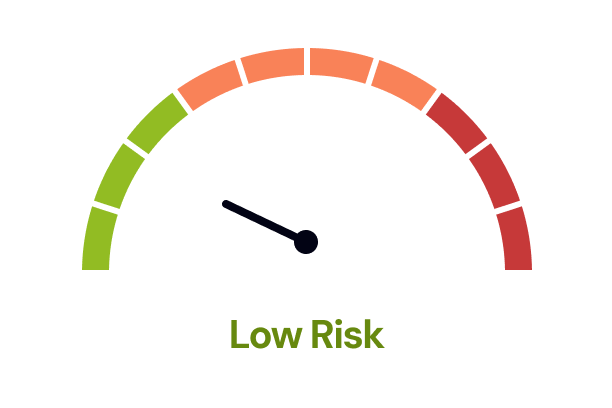
The Legal Risk Score of a End User License Agreement Template is Low
Our legal team have marked this document as low risk considering:
- The agreement restricts the user to install and use the product only on a single computer or system, limiting flexibility for users with multiple devices or collaborative environments.
- The document explicitly excludes various warranties and limits remedies available to the user, potentially leaving the user with minimal recourse in the event of product failure or dissatisfaction.
- Users are held liable for any modifications they make to the product, which could inadvertently infringe on third-party intellectual property rights, exposing them to legal and financial risks.
Meet Our Users
Articles about End User License Agreement
Using an End User Licence Agreement for SaaS
Using an End User Licence Agreement for your SaaS will help protect your business's intellectual property. Find out more here.

Your Guide to Launching an App (2025 Update)
Have you ever thought about launching an App? Find out the legal, marketing and development processes you need to follow here.

When Should I Use a License Agreement?
What are License Agreements? How do they work? Find out how a license agreement can help protect your business here.

Quick Tips: Legal Documents for SaaS Companies
Learn about the legal documentation that you may need when you wish to sell your developed software.
Website Terms & Conditions of Use Explained
Are you selling goods and services online? If so, you are legally required to have a Website Terms and Conditions of Use in place.

Is Jailbreaking Legal?: A Study Of IPhone 6 & 6S
Read about the jailbreaking issue with the introduction of the new iPhone 6s and iPhone 6s Plus.

What is a Click Wrap Agreement?
A Click Wrap Agreement is typically used when selling or licensing software online. Learn how a Click Wrap Agreement can protect your software.

How to Create Website Terms and Conditions (2025 Update)
Every business should have terms and conditions on their website. Find out what they do and how you can create them in this article.

Consumer Law & AI: Claudette Agreement Analysis
How the 'CLAUse DETecTEr' applies Machine Learning Powered Analysis to detect potentially unfair user agreements and pave the way for a new era of AI.
Looking for more documents?
Privacy Policy
A Privacy Policy outlines how your business will use, store and collect your customers' information. A Privacy Policy is required by law in certain circumstances.
Loan Agreement
This Loan Agreement can be used by lender when offering a loan to a Borrower.
Non-Disclosure Agreement (Mutual)
A Non-Disclosure Agreement (Mutual) allows you and another party to share confidential information while legally forbidding either party from disclosing that information to any other person or entity.
Non-Disclosure Agreement (One Way)
A Non-Disclosure Agreement (One Way) allows you and another party to share confidential information while legally forbidding the other party from disclosing that information to any other person or entity.
Website Terms and Conditions of Use (Services)
This Website Terms and Conditions of Use (Services) document is specifically tailored for websites selling services.
Business Sale Agreement
A Business Sale Agreement is used to clearly set out all relevant terms of the sale when selling or buying a business.
Shareholders Agreement
A Shareholders Agreement allows you to clarify the relationship between shareholders of your company.
Services Agreement (Pro-Supplier)
This Services Agreement (Pro-Supplier) sets out the relationship between you, the service provider, and the business receiving the services. This version of the Services Agreement is drafted in favour of the supplier from a commercial and legal perspective.